Dentist in Long Island City, NYC
Invisalign & Clear Aligners in Long Island City, NY
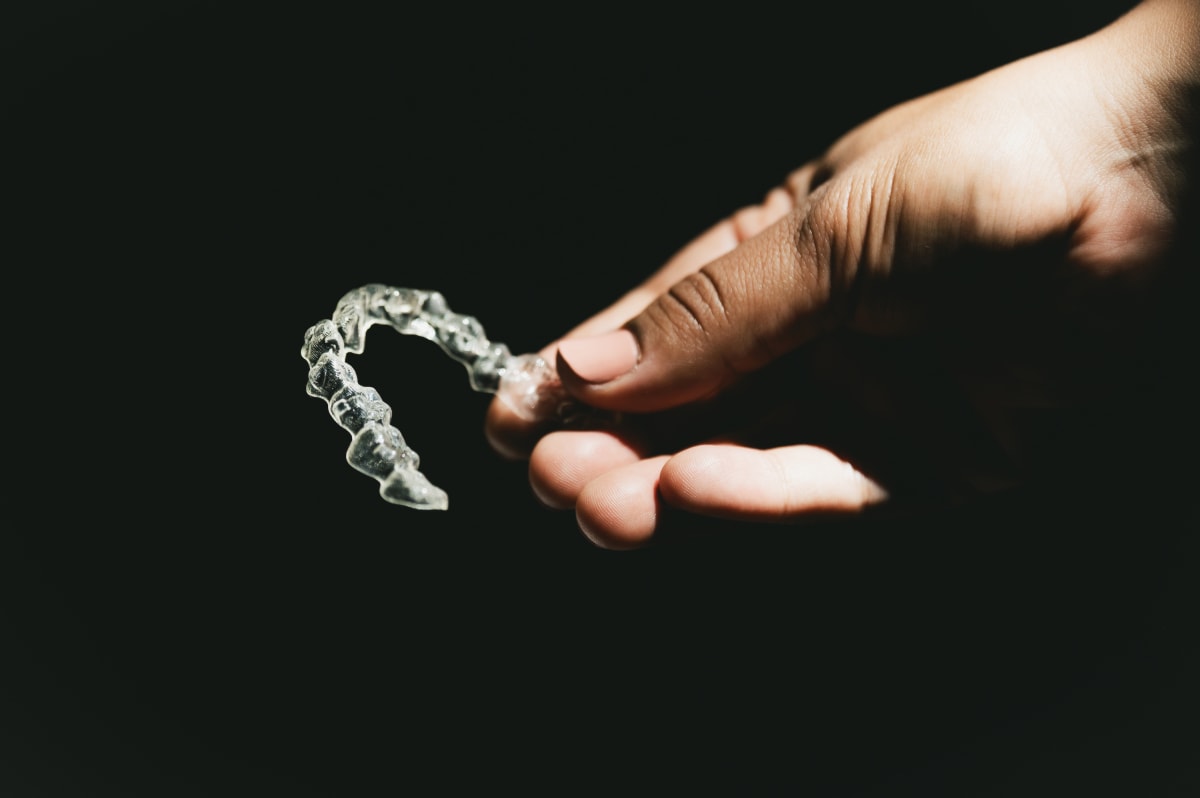

Invisalign and Spark Clear Aligners in Long Island City
If you've ever held back a smile or felt nervous about being caught on camera because of how your teeth look, you're not alone — and you don't have to stay there either. Invisalign is an orthodontic treatment that gradually straightens teeth using a series of clear, removable aligners, allowing treatment to fit quietly into your life without brackets, wires, or any cleaning hassle.
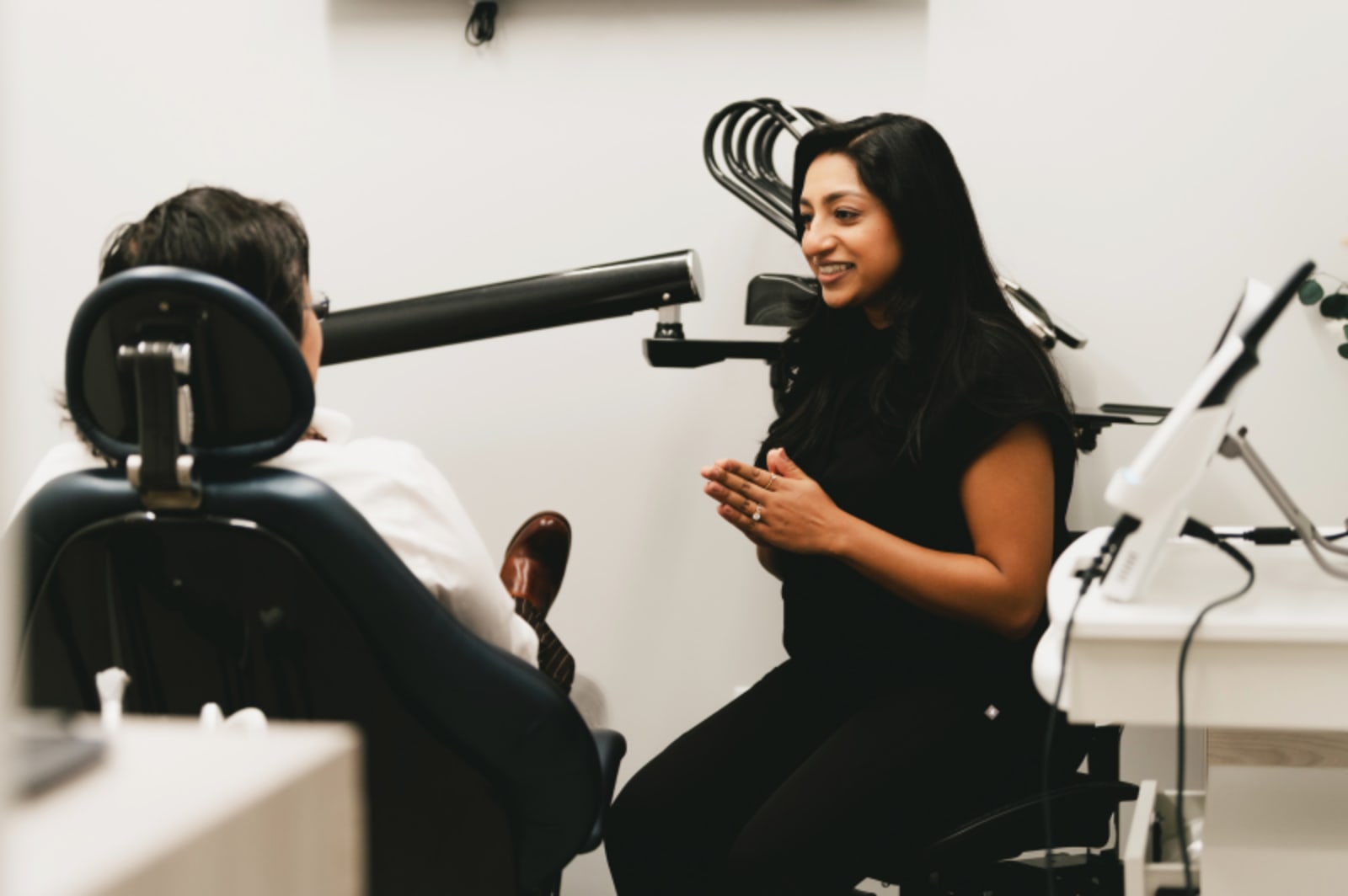
At Arbor, aligner cases are planned by Dr. Steven Lin, who evaluates your teeth, gum health, and bite to create a treatment plan that considers more than just your front teeth. You'll leave your consultation with a complete digital record, a clear understanding of your options, and a personalized recommendation based on your smile and goals.
Ready to find out if aligners are right for you? Call us at (929) 590-1059.
Quick Takeaways
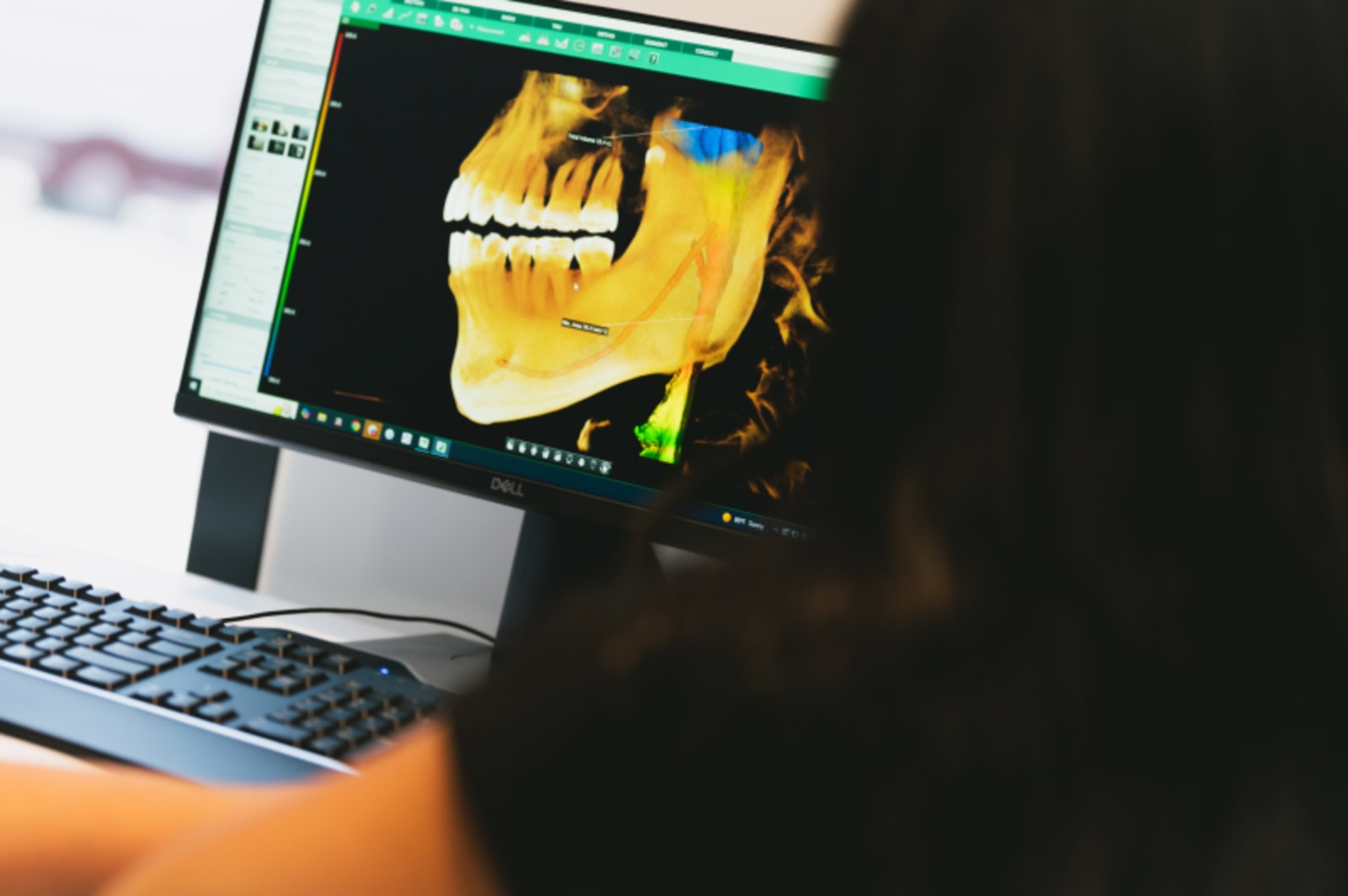
- A scan before a plan. For our standard process, we begin with a digital scan using the iTero Lumina to capture your teeth and bite. We may also use CBCT imaging to evaluate structures that aren't visible from the surface, such as root position, jaw joints, or airway anatomy.
- Foundational health comes before tooth movement. Cavities, active disease, and gum condition are addressed first — moving teeth through an unhealthy mouth creates more problems than it solves.
- Consistent wear keeps treatment on track. Wearing your aligners for roughly 20 to 22 hours a day helps keep your treatment progressing as planned. Wearing them less often can extend your overall treatment time.
- Plan on retainers for life. Retention is part of your treatment plan from day one and an important part of maintaining your results for the long term.
How Invisalign Works, Step by Step
1. A digital scan, no goopy trays
We capture your teeth and bite with the iTero Lumina scanner, a state-of-the-art digital scanner that creates a highly detailed 3D model of your mouth. If your case involves the jaw joints, root position, or airway questions, we also add a Cone Beam scan, so the plan is built around your actual anatomy rather than a surface impression.
2. Planning the movement
Every tooth has a starting position and a target position, and the plan is the route between them. We map which teeth need to rotate and which need to tip, where room already exists and where it has to be created, and whether the bite will land somewhere stable. You'll see the projected sequence and hear why it's staged that way before you agree to anything.
3. Your aligners arrive
Trays are manufactured to your plan. Many cases also use attachments: small tooth-colored bumps bonded to certain teeth, which give the aligner material something to push against for trickier movements. They come off cleanly when treatment ends.
After a full scan, we can give you a projection specific to your mouth rather than an average. Schedule a consultation to start there.
4. Wearing and switching
You wear each set for the interval we set, take the trays out for meals and for anything other than water, and brush before putting them back in. That last habit matters: plastic held against unbrushed teeth keeps plaque in contact with the gumline, which is how tidy cases turn into gum inflammation. A new tray feels tight for a day or so. That pressure is the movement beginning.
5. Check-ins and refinements
We see you periodically to confirm your teeth are tracking where the plan says they should be. If a tooth lags, we rescan and order refinement trays, which are common and don't mean anything went wrong. Visits are scheduled Tuesday through Friday, and our team can arrange them around your week.
6. Retention
Once the teeth are where we want them, a retainer holds them there. Bone remodels slowly around a tooth's new position, and the fibers around the roots have a long memory.
What Clear Aligners Actually Give You
- Discretion during working life. The trays are thin and clear, so a full day of meetings tends to pass without the subject coming up.
- Floss the way you always have. Brackets and wires trap plaque along the gumline; removable trays leave your routine intact, and over a year of treatment the tissue holding your teeth is what holds the result.
- Fewer emergency visits. There's no wire to poke a cheek at 9pm.
- Straightening crowded or rotated teeth can make them easier to clean and help distribute biting forces more evenly. Better alignment can also reduce areas where plaque collects and help protect teeth from uneven wear, supporting a healthier, more functional bite.
- A cleaner platform for anything that comes later. If veneers, implants, or crowns are in your future, correcting position first usually means more conservative work and a longer-lasting result. Invisalign at Arbor is often the first step in a longer plan.
Who Aligners Suit, and Who Should Consider Something Else
Clear aligners work well for most adults — crowding, gaps, drifted teeth, and mild to moderate bite issues are all within range. A small number of cases need fixed appliances, we'll tell you clearly if yours is one of them.
Healthy foundations come first. Before moving teeth, we make sure your teeth, gums, and overall oral health are ready. If you have active gum disease, decay, or other concerns, we address those first. As a comprehensive bioesthetic practice, Arbor brings general and specialty dentistry together under one roof, so orthodontic treatment is part of your overall oral health.
Invisalign vs Spark Aligner. Which One is For You?
We offer both Invisalign and Spark clear aligners because no single system is the right fit for every case. Dr. Lin considers your tooth movement, bite, existing dental work, and overall treatment goals before recommending the system that best fits your plan.
The goal isn't to put every patient into the same aligner system. It's to select the right tools for the movements we need to make and the result we're trying to achieve. Your treatment is planned around your mouth first, then the aligner system is selected to support that plan.
Getting Ready, and Keeping the Result
Before you start, we want your mouth healthy: a cleaning, any active decay addressed, and gum tissue in good shape. Starting Invisalign treatment on top of untreated problems creates more work later, which is why gum disease treatment often comes first.
Day to day, a few habits keep things on schedule:
- Carry a case. Trays wrapped in a napkin end up in the trash.
- Only water goes in with trays on. Coffee, tea, and wine stain the plastic and pool sugar or acid against enamel.
- Brush before reinserting. Trapped debris sits against the tooth for hours.
- Rinse trays with cool water and clean them gently; hot water warps them.
- If a tray feels loose or a tooth seems to be lagging, tell us early rather than at the next visit.
Once treatment ends, retention is important to maintain your final result. Wear your retainer as directed, keep up your regular cleanings, and we'll check the fit at your routine visits and replace it when it wears out.
Cost and Payment
Aligner fees vary with case complexity: the number of trays your plan requires, whether attachments and refinements are involved, and whether periodontal treatment needs to happen first. A minor relapse case and a full-arch correction aren't the same treatment, so we don't publish a single number. At your consultation, after we've scanned and planned, you'll get a written figure with a clear breakdown of what it includes.
Why Patients Choose Arbor for Aligner Treatment

Arbor is at 27-27 44th Drive in Long Island City, we are easy to reach from surrounding neighborhoods like Queens, Brooklyn, Bronx, and Manhattan.
In addition, Dr. Lin trained at the University of Pennsylvania, holds a Fellowship with the Academy of General Dentistry, and completed post-graduate coursework in both orthodontics and oral implantology, so aligner planning here accounts for the whole bite, not just the front teeth. Periodontal therapy, laser treatment, and orthodontics are all available under one roof, scans are reviewed with you in the room before any plan is proposed, and we treat your mouth as part of your broader health — coordinating with your physician when the case calls for it. Call us at (929) 590-1059 to get started.
Frequently Asked Questions
Is Invisalign worth it in your 30s or 40s?
For many healthy adults, Invisalign can be a great way to improve both the appearance and function of your smile. Adult treatment can also take a more comprehensive approach, considering your existing dental work, bite, or gum health. Crowns, veneers, and fillings are all taken into account when planning tooth movement, while years of wear or shifting may create opportunities to improve how your teeth come together. Your periodontal exam and digital scan help us understand your starting point and build a plan around your individual needs.
Can I do Invisalign if I've had gum disease?
Often, yes, once the disease is controlled. Stable, treated gums with good home care can support orthodontic movement, while active gum disease needs to be addressed first. Before planning movement, we evaluate your gum health, pocket depths, and bone support. The iTero Lumina gives us a detailed 3D view of your teeth and gums, while CBCT imaging can show the underlying bone and root structures when clinically appropriate. Together, these records give us a clearer picture of your foundation and help us plan tooth movement safely and precisely.
Does it hurt?
Each new tray applies gentle, controlled pressure to guide your teeth according to your treatment plan. You may notice some pressure or tenderness for a day or two as your teeth adjust, but these sensations typically fade as you settle into each new tray. Unlike braces, there are no brackets or wires applying force against your cheeks.
Will anyone notice I'm wearing them?
Invisalign is designed to fit naturally into your routine. Your mouth and tongue typically adjust quickly to the feel of a new set of aligners, and many patients are comfortable speaking normally within a short time. Attachments, when needed, are small, tooth-colored bumps that blend with your teeth. And because the aligners are clear, you can smile, talk, and even show them off without the look of traditional braces.
What happens if I lose a tray?
Let us know right away. Depending on where you are in the sequence, we may have you go back to the previous tray, move forward early, or order a replacement. Don't skip ahead on your own; the trays are designed to work in order.
How is this different from mail-order aligners?
Mail-order treatment skips the exam. No one checks your gum health, images your roots or bone, or examines your bite in person while your teeth are moving. Aligners apply real force to real biological structures, and that deserves supervision. Our Invisalign cases are planned and monitored in the chair, and adjusted when the teeth don't follow the plan. If you'd like that kind of oversight, request a consultation with Dr. Lin.
Come See What Your Bite Actually Needs
If you've been circling the idea of straightening your teeth and want to know whether aligners fit your case, your timeline, and your foundational dental health, that's what a consultation is for. We'll scan, look carefully, and tell you what we'd recommend and why, including when the answer is something other than Invisalign.
Call Arbor: A Dental Concept at (929) 590-1059 to schedule an appointment whenever you are available. We're here Tuesday through Friday, 8 to 5.
More Information Coming Soon...
Contact us
Call (929) 590-1059 or request an appointment online to set up your first visit. We’ll be in touch soon.